What Is Somatic Movement? A Body-Based Approach to Awareness, Regulation, and Living
Somatic movement is a way of moving that prioritises internal experience over external form. Rather than focusing on how a movement looks, how many repetitions you do, or how hard you push, somatic movement asks a simpler question – What do you feel?
Rooted in body awareness and nervous system regulation, somatic movement invites you to slow down, sense inwardly, and move in ways that support curiosity, connection, and self-trust.
What Does “Somatic” Mean?
The word somatic comes from the Greek soma, meaning the living body as experienced from within.
Somatic movement is therefore about how movement feels in your body, not how it appears from the outside.
This internal focus helps shift attention away from performance and toward sensation, allowing the body’s own intelligence to guide movement.
What Is Somatic Movement?
Somatic movement refers to intentional, body-led movement practices that emphasise awareness, sensation, and nervous system support.
Rather than aiming to stretch, strengthen, or correct the body, somatic movement works by:
- Improving communication between brain and body
- Exploring habitual tension patterns
- Supporting nervous system regulation
- Enhancing mobility through awareness
It’s less about doing more – and more about listening inwardly.
Key Principles of Somatic Movement
1. Internal Awareness
Somatic movement prioritises sensing from the inside. You are invited to notice:
- Breath and rhythm
- Muscle tone and release
- Subtle shifts in sensation
- Emotional responses that arise with movement
There is no right or wrong – sensation is simply information.
2. Intentional Movement
Movements are typically gentle, and purposeful. This pace allows the nervous system to stay present and responsive, rather than bracing or overriding sensation.
Small movements are often more effective than large ones.
3. Nervous System Support
Somatic movement works with the nervous system rather than pushing against it. By introducing curiosity and increasing awareness, these practices help the body move out of stress responses and toward regulation.
This makes somatic movement especially supportive for people experiencing stress, trauma, chronic tension, or burnout.
4. Choice and Agency
Somatic movement is invitational. You choose how much to move, when to pause, and what feels supportive in each moment. This emphasis on choice helps build trust in the body and supports emotional safety.

How Somatic Movement Is Different from Traditional Exercise
Unlike conventional fitness or performance-based movement, somatic movement:
- Focuses on sensation rather than outcome
- Encourages rest and pauses
- Adapts to your nervous system’s capacity
- Values curiosity over discipline
You’re not trying to fix the body – you’re learning to work with it.
What Does a Somatic Movement Practice Look Like?
Somatic movement can include:
- Gentle rocking or swaying
- Slow spinal movements
- Breath-led motion
- Pauses to sense internal changes
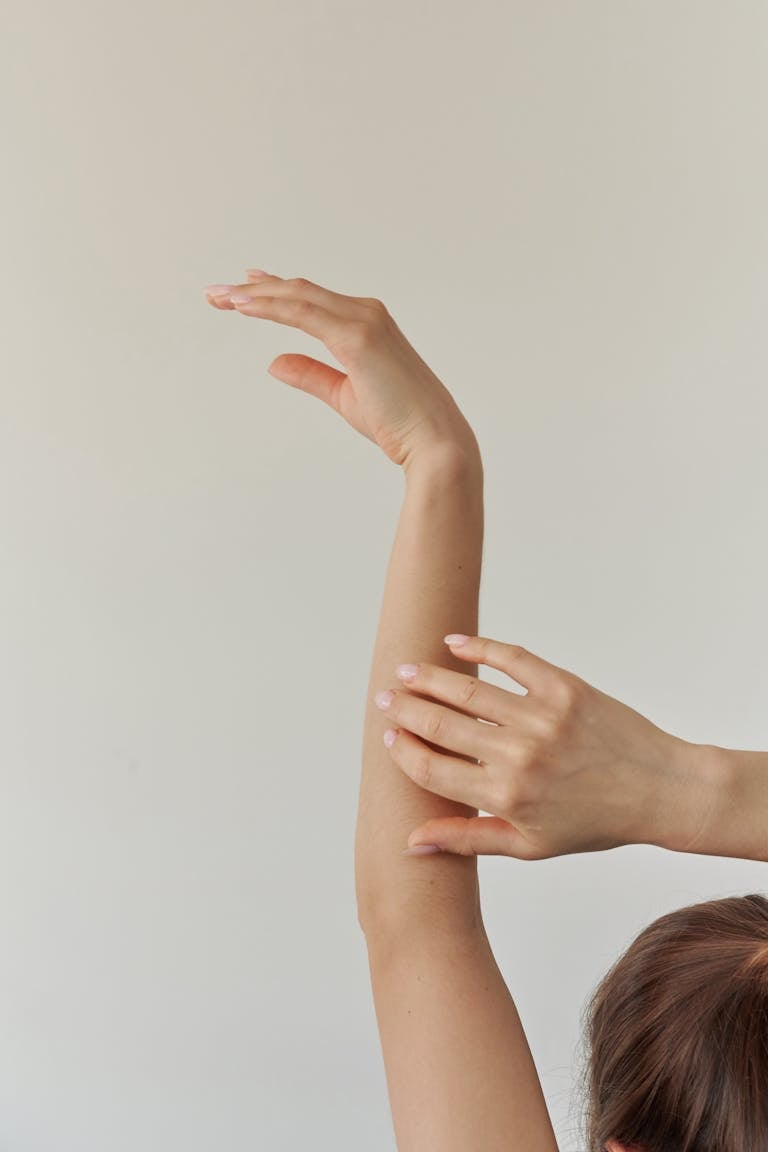
- Touch-based awareness practices
The movements themselves are often simple. The depth comes from attention, not complexity.
Who Is Somatic Movement For?
Somatic movement is accessible to many bodies and experiences, including:
- People seeking stress relief or nervous system regulation
- Neurodiverse individuals
- Those recovering from injury or burnout
- Anyone feeling disconnected from their body
Because it’s adaptable and self-led, somatic movement meets you where you are.

A Final Reflection
Somatic movement is an invitation to come home to the body – not to change it, perfect it, or push it. Somatic movement asks us to listen inwardly.
In slowing down and sensing inwardly, we often discover that the body already knows how to move toward compassion, curiosity, and connection – when we give it the space to do so.